Eco-Friendly Approaches: How E-Waste Recycling Services Are Preserving Our Planet
Electronic waste presents serious dangers to the environment, as disposed electronics frequently harbor hazardous substances. Such dangerous compounds can pollute soil and water supplies, causing extensive damage to surrounding ecosystems. Electronic waste recycling programs offer an effective remedy. They not only recover valuable resources but also mitigate pollution. Understanding how these services operate and their impact on communities is essential. The path to successful electronic waste management prompts vital discussions about personal accountability and communal efforts. What steps can be taken next?
Why Electronic Waste Is Harmful to the Planet
While technological advancements improve modern life, electronic waste presents significant environmental threats. Disposed electronic equipment, often containing dangerous compounds like lead, mercury, and cadmium, can leach toxins into soil and groundwater, posing risks to ecosystems and human health. The accelerating rate of technological innovation contributes to increased consumer turnover of electronics, worsening the buildup of e-waste.
Landfills, already burdened with waste, struggle to accommodate the growing volumes of discarded gadgets. Burning, an alternative disposal approach, discharges toxic contaminants into the air, worsening overall air quality. Moreover, poor recycling procedures can cause e-waste to be sent to developing regions, where employees may disassemble electronics without sufficient safety precautions, leaving them vulnerable to harmful substances. This cycle of neglect and improper handling underscores the urgent need for sustainable recycling solutions that can mitigate the adverse effects of e-waste on the planet.
What Is E-Waste and Its Importance?
E-waste, or electronic waste, comprises unwanted electronic equipment including televisions, computers, and smartphones that have reached the end of their useful life. This increasingly prevalent form of waste is important due to its rapid accumulation, propelled by advances in technology and evolving consumer behaviors. As growing numbers of electronics become outdated, the environmental impact intensifies, with dangerous elements including lead, mercury, and cadmium posing risks to ecosystems and human health.
The significance of tackling e-waste extends beyond minimizing these risks to recognizing the valuable resources it holds. Precious metals and rare earth elements can be recovered and reused, reducing the need for mining and conserving natural resources. Through a deeper awareness of e-waste and its consequences, both individuals and organizations can make well-informed choices regarding disposal and recycling, thereby supporting a more sustainable future. Responsible management of e-waste plays a key role in supporting a circular economy and championing environmental stewardship.
The Way E-Waste Recycling Functions
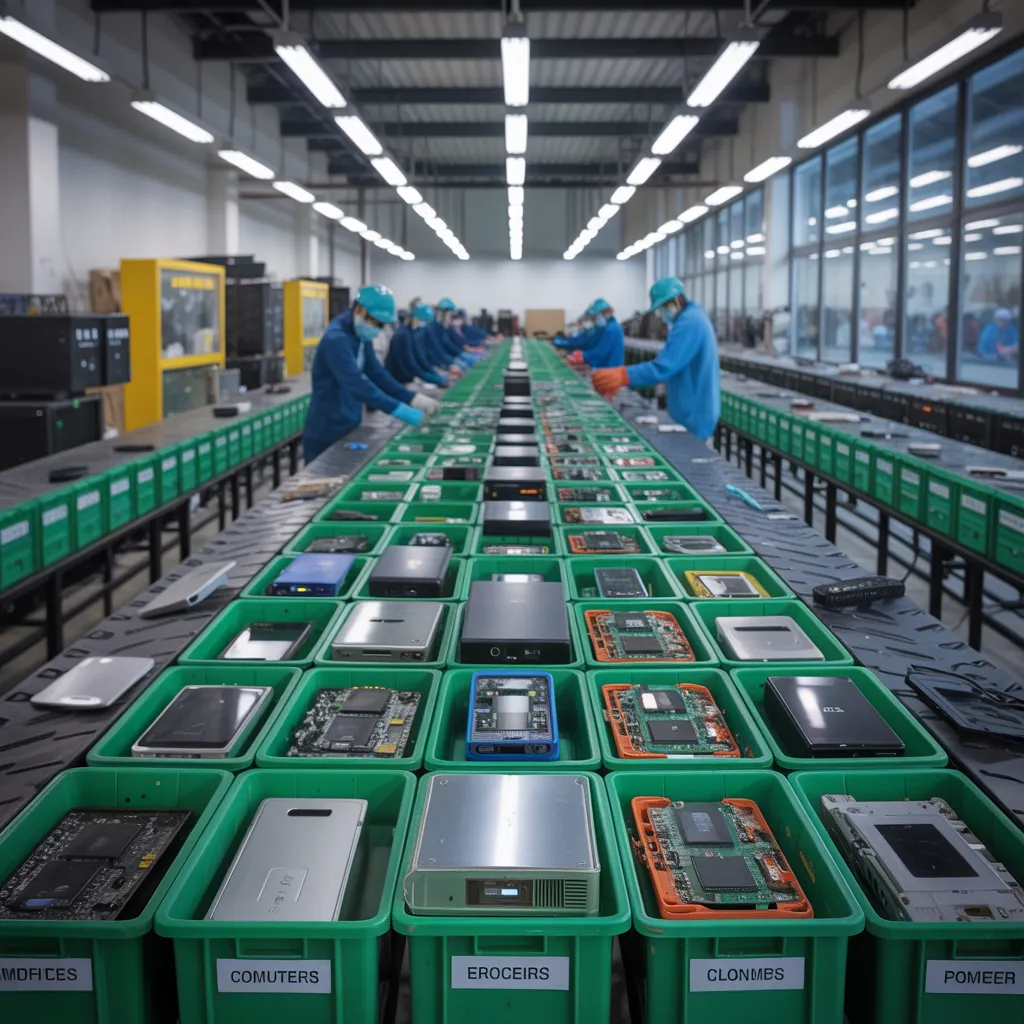
E-waste recycling entails a structured approach designed to recover valuable materials while minimizing environmental impact. Initially, e-waste is collected and transported to specialized recycling facilities. Upon arrival, the electronics are carefully categorized to distinguish harmful elements from reusable resources.
After this step, workers dismantle the items, extracting glass, metals, and plastics. This process is vital, as it enables the reclamation of valuable metals like gold, silver, and copper, which are repurposed in modern electronics.
Subsequently, the divided materials are processed with cutting-edge techniques, such as shredding and specialized chemical treatments, to cleanse them for repurposing.
Finally, the residual hazardous waste is handled with responsibility, adhering to eco-friendly standards. This comprehensive process not only conserves resources but also minimizes the hazards associated with improper e-waste disposal, ensuring a more sustainable future for electronic consumption.
Benefits of E-Waste Recycling for You and Your Community
Although it often goes unnoticed, the benefits of e-waste recycling go far beyond individual benefit and actively shape entire communities. By responsibly disposing of electronic waste, individuals help foster a healthier environment, minimizing toxic components that can seep into soil and water. This proactive approach works to protect local ecosystems and advances public health.
Furthermore, the recycling of e-waste encourages workforce growth within communities. Regional recycling centers frequently need staff for diverse activities, including collection and processing, thereby providing employment opportunities for local residents. This not only boosts the local economy but also promotes community participation in sustainable initiatives.
Furthermore, understanding of e-waste recycling can lead to learning opportunities, equipping residents to pursue greener alternatives. By enrolling in e-waste recycling programs, individuals cultivate a culture of sustainability, motivating others to follow suit. Ultimately, the cumulative impact of these actions can result in a more resilient and environmentally responsible community.
How to Select an E-Waste Recycling Service
Selecting the most suitable e-waste recycling service is vital for making sure that electronic waste is processed responsibly and sustainably. To begin, consumers should confirm the company's certifications, such as R2 and e-Stewards certifications, which demonstrate compliance with established benchmarks for secure waste disposal procedures. It's also important to evaluate the organization's reputation by reviewing feedback and looking for recommendations from trusted sources.
Next, clarity in the recycling process is essential. A dependable service should offer detailed insights about how e-waste is processed and what becomes of the materials. Additionally, assessing the variety of services available can be advantageous; some companies may provide pickup services or offer incentives for recycling.
Ultimately, learning about local guidelines related to e-waste disposal can further guide the decision-making process. Check it out By taking these elements into account, individuals can contribute to efficient electronic waste handling while supporting sustainable environmental efforts.
How You Can Take Part in E-Waste Recycling?
Engaging in e-waste recycling often starts at the local level, where local recycling facilities frequently offer essential services for safe disposal. Additionally, taking part in community awareness campaigns can strengthen efforts to educate others about the importance of ethical e-waste practices. Such efforts not only advance environmental sustainability but also foster a collective sense of accountability for the environment.
Local Recycling Centers
Many local recycling centers play an essential role in electronic waste recycling, offering communities convenient opportunities to discard electronic waste in an eco-friendly way. These centers accept a wide array of electronic items, including aging computers, cell phones, and television sets, verifying that toxic materials are disposed of safely. Most centers are equipped with qualified professionals who support individuals in understanding proper disposal practices, highlighting the value of recycling rather than landfilling. In addition, many centers offer scheduled drop-off occasions or specific collection dates, allowing residents to take part with ease. By utilizing these local services, residents support a circular economy, decreasing environmental damage and advancing sustainable approaches. Working alongside these hubs allows communities to address e-waste pollution proactively.
Community Education Campaigns
Local organizations, schools, and businesses can partner to arrange initiatives that encourage e-waste collection drives. Dedicated participants can take a leading part in spreading awareness, distributing educational materials, and engaging with the community. By means of these joint initiatives, residents become more informed and motivated to recycle their electronic waste, thereby helping to build a greener and more sustainable tomorrow.
Frequently Asked Questions
What Kinds of Electronics Can Be Recycled?
Numerous electronics are able to be recycled, including laptops, televisions, smartphones, printers, computers, and gaming consoles. Moreover, ancillary devices such as mice, keyboards, and batteries are equally appropriate for recycling, supporting environmental conservation efforts.
Are There Fees Involved With E-Waste Recycling?
Indeed, e-waste disposal can include costs, based on the service provider. Certain providers charge fees for pickup or handling, while some providers offer free services, typically funded by the proceeds from salvaged materials.
How Can Businesses Benefit From E-Waste Recycling?
Companies can take advantage of e-waste recycling by lowering disposal expenses, strengthening their ecological standing, meeting compliance standards, reclaiming useful materials, and possibly earning income through resale, thereby fostering a more environmentally responsible business approach.
What Occurs with Data on Recycled Devices?
Data regarding repurposed electronics is commonly irretrievably wiped or obliterated during processing. This confirms sensitive information remains secure, preventing unauthorized access while enabling components to be reused safely and responsibly within new applications.
Can I Recycle Broken Electronics?
Absolutely, defective electronics may be recycled. Numerous collection points take in defective devices, providing responsible disposal and extraction of precious materials. This effort helps reduce the environmental footprint while promoting responsible recycling practices to manage electrical waste properly.